miércoles, 26 de enero de 2011

Economic, Social and Political Structures of Great Britain


Great Britain as we know participated in the World War I, siding with “Allies” as we know the British were a wealthy and great country, but getting into the world war obviously brought some consequences. In this article I will talk about the social, economic and politic structures of this country during the war.
First, let’s begin saying that Britain had a constitutional government, but it was not a fully-fledged democracy. World War One may not have initiated democratic change, but it determined its timing. Ironically, the war's demands also weakened the exercise of constitutional government, albeit temporarily.
When Britain entered World War One, it did so in the name of 19th century liberal values - the rights of small nations and the rule of law.
What justified these claims, which became the touchstone of British propaganda, was Germany's invasion of Belgium, as its army bypassed France's eastern defences by swinging round them to the north.
The British Royal House faced a serious problem during World War I because of its blood ties to the ruling family of Germany, Britain's prime adversary in the war. Before the war, the British royal family had been known as the House of Saxe-Coburg and Gotha. In 1910, King George V became king on the death of his father, King Edward VII, and remained king throughout the war. He was the first cousin of the German Kaiser Wilhelm II, who for the British public came to symbolise all the horrors of the war.

Although Great Britain went through some difficulties it still gave a lot of advantage to the “Allies”.


Source:
http://en.wikipedia.org/wiki/Royal_House

War a high cost: not only money, people too

During the World War I Great Britain suffered a lot of damages and a lot of people died because of the war.
The total number of people killed during the war was 450,000 counting soldiers, children and women. That´s why the population decrease a lot.
Now talking about the damages to all the cities the amount was of millions of dollars, all the country was in a very difficult economic crisis and it was very hard to recover from all the damages.
The years after the World War I were the hardest that the country had because all the cities were totally destroyed and a lot of had been died.


Source:
Class Notes

Propaganda

Nationalism is known as having love to your country. They say that sometimes, the excess of things can be harmful, and a clear example of it is the propaganda during the World War I.
We can observe in the pictures, mean messages sent by the countries at war, and, they have something in common: they try to illustrate the inferiority of the contenders during war.

In our opinion, this kind of propaganda empowered the war, creating rivalry between the Allies and the Central Powers.


Source:
Class notes

Main Characters


 President David Lloyd George

General Sir Horace Smith-Dorrien                                


King George V


Prime Minister Herbert Asquith


William Boyle, operation against Turks on the red sea.


Source:
Google Images

martes, 25 de enero de 2011

Main Events


World War I
Important Events
1 June 1916
Battle of Jutland
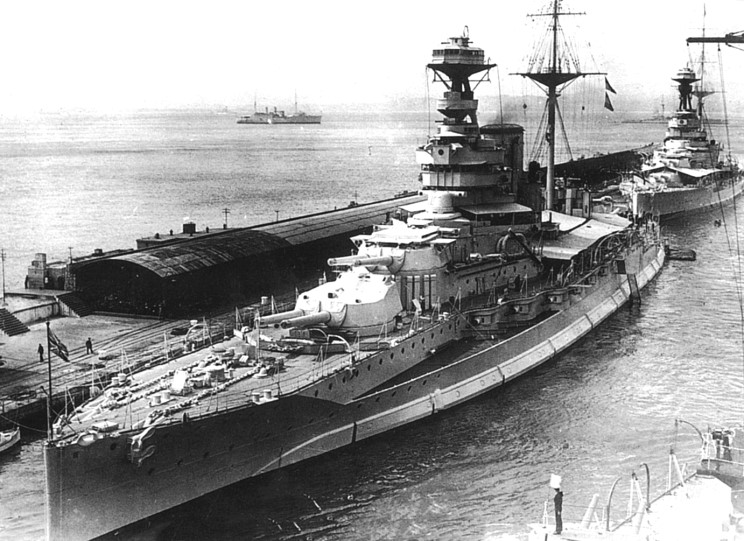
The British and German naval Forces met again. The German ships did damage to British.

1 July - Nov 1916
Battle of the Somme
This was a battle that lasted for five months. Although 60,000 British men were killed and seriously wounded on the first day, Field Marshall Douglas Haig ordered that the battle must continue. Although the British were the first side to use tanks in this battle, they numbered so few that their impact wasn't that big


1917
New war commander
Lloyd George, who had never trusted his war minister's ability to direct the war, persuaded the Cabinet to appoint the French General Nivelle as supreme war commander over Haig's head. Haig was assured that the appointment was for one operation only and that if he felt the British army was being misused by the Frenchman he could appeal to the British government.

1917
Churchill Minister of Munitions
Following the heavy defeat at Passchendale, Lloyd George decided that he wanted Churchill in the Cabinet. Churchill was duly appointed Minister of Munitions.
http://yourblues.files.wordpress.com/2008/03/churchill.jpg

Nov 1917
W. Front Cambrai
The British took a large force of tanks across the barbed wire and machine gun posts at Cambrai.

8 - 11 Aug 1918
Battle of Amiens
The British general, Haig, ordered the attack of the German sector at Amiens. At the same time the news came through that the allies had broken through from Salonika and forced Bulgaria to sue for peace.

Mid October 1918
Allies recover France and Belgium
The allies had taken almost all of German-occupied France and part of Belgium.

November 11, 1918
End of War


Bibliography
History on the Net. 2000-2010. 25 January 2011 <http://www.historyonthenet.com/WW1/WW1_timeline.htm>

Maps

These map shows the alliences made in europe.

Map of the Schlieffen Plan

War maps animations (source):
http://www.pbs.org/greatwar/maps/maps_somme.html